Anna Brooks · 6 September 2026
Expanded Training Initiatives Reshape Talent Pathways in Regional Heavy Manufacturing
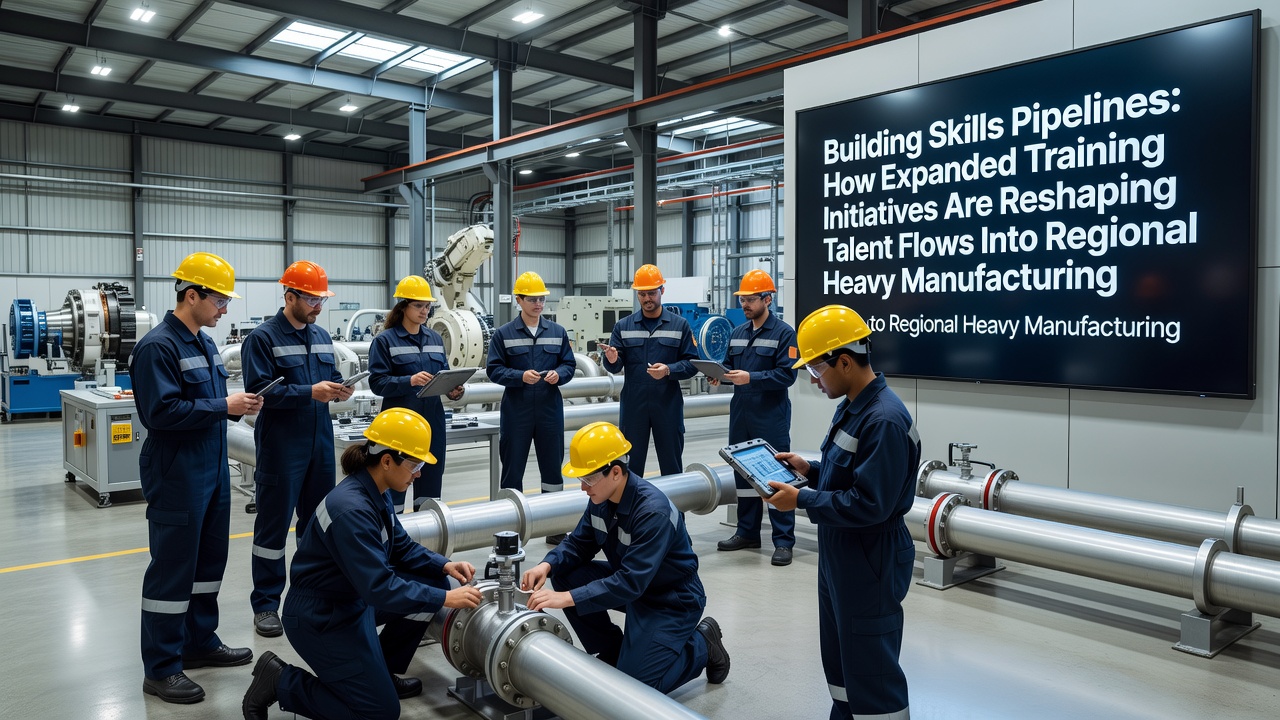
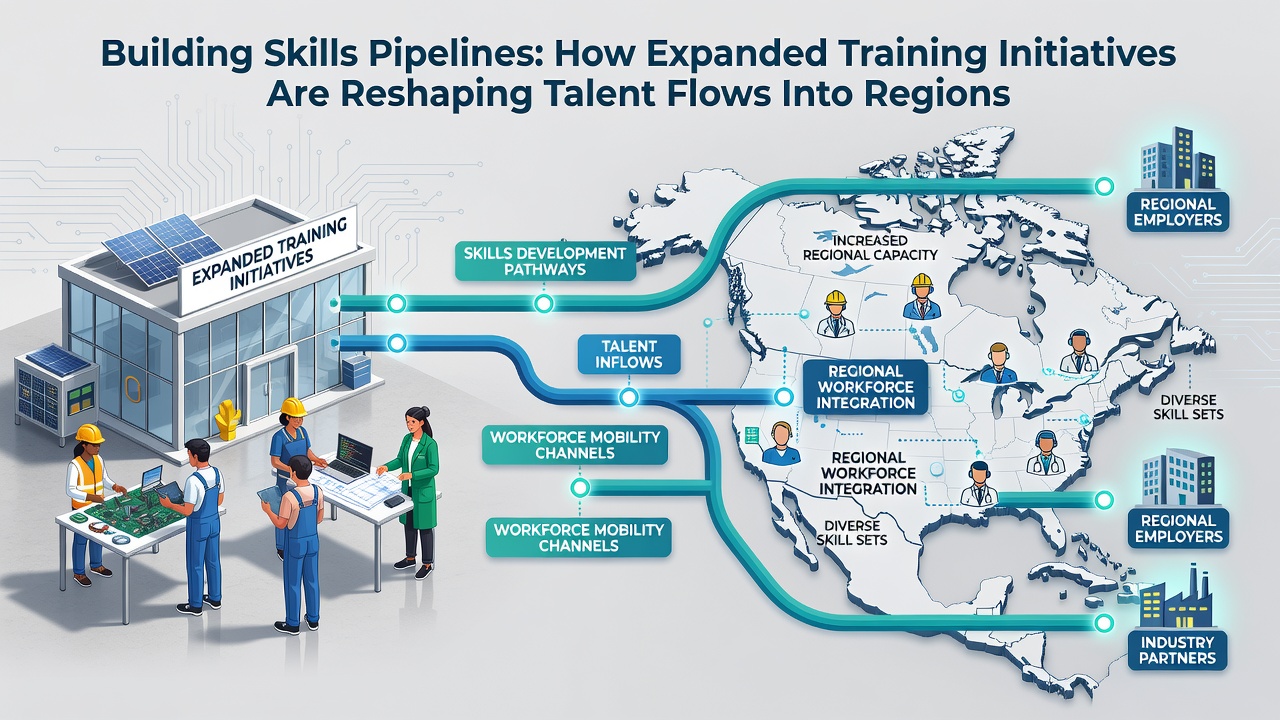
Regional heavy manufacturing sectors have seen measurable shifts in how workers enter the field, with expanded training initiatives creating structured pathways that connect education systems directly to plant operations, and these programs now operate across multiple countries where governments and industry groups have coordinated efforts since the early 2020s.
Data from labor market analyses show that apprenticeship enrollment in manufacturing trades rose by 18 percent between 2023 and 2025 in several North American and European regions, while similar figures from Australian workforce reports indicate a 22 percent increase in vocational placements tied to heavy industry employers during the same period.
Program Structures and Regional Adaptations
Training pipelines typically combine classroom instruction with on-site rotations, and participants move through modules that cover welding, CNC operation, and industrial maintenance before advancing to specialized tracks in areas such as metallurgy or automated assembly lines; this layered approach allows employers to identify candidates early and align skill development with specific production needs.
One initiative launched in the Midwest United States pairs community colleges with steel and equipment manufacturers, resulting in over 4,200 certifications issued in the past two years according to Department of Labor tracking data, while a parallel effort in Canada’s Ontario region reports that 65 percent of program graduates secured full-time roles within six months of completion.
European programs have followed comparable models yet incorporate additional emphasis on sustainability practices, with the European Commission noting in its 2025 skills report that heavy manufacturing apprenticeships now include mandatory modules on energy-efficient processes and emissions monitoring; these additions reflect updated regulatory frameworks that took effect across member states in 2024.
Impact on Talent Flows by September 2026
By September 2026 several regions will complete the second phase of multi-year funding cycles that began in 2023, and preliminary projections from industry associations suggest that cumulative placements could reach 12,000 new workers across targeted heavy manufacturing clusters in the United Kingdom, Germany, and parts of the American Midwest.
Observers note that these pipelines have reduced average time-to-hire for entry-level technical roles from nine months to four months in participating facilities, because candidates arrive with documented competencies rather than requiring extensive onboarding; retention rates have also improved, with one study from a Canadian research institute showing 81 percent of graduates remaining in their initial placements after 18 months.
Additional support mechanisms include wage subsidies during training periods and mentorship pairings with experienced operators, both of which appear in program designs from Australia’s National Skills Commission as well as similar arrangements funded through state-level grants in the United States; these elements help offset opportunity costs for participants who might otherwise enter lower-skill sectors.
Challenges and Adjustments in Delivery
Implementation has not occurred without friction, because coordinating schedules between educational institutions and 24-hour production environments requires ongoing negotiation, and some facilities report that shift coverage gaps emerged during peak training months in 2025.
Adjustments have included staggered cohort starts and hybrid virtual modules for foundational theory, approaches that training providers adopted after feedback sessions with plant managers; data collected through these revisions indicate that completion rates climbed from 72 percent to 89 percent once the new scheduling formats stabilized.
Conclusion
Expanded training initiatives continue to alter entry points into regional heavy manufacturing by linking formal credentials with practical experience, and the resulting talent flows show measurable effects on hiring timelines, retention, and skill alignment across multiple jurisdictions as of September 2026.
Further documentation from government labor agencies and industry research bodies will clarify long-term outcomes once additional cohorts complete their placements and enter sustained employment.