Kai Peters · 4 October 2026
Heritage Conservation Aligns with Low-Carbon Deployments and Logistics Upgrades at Steelvale
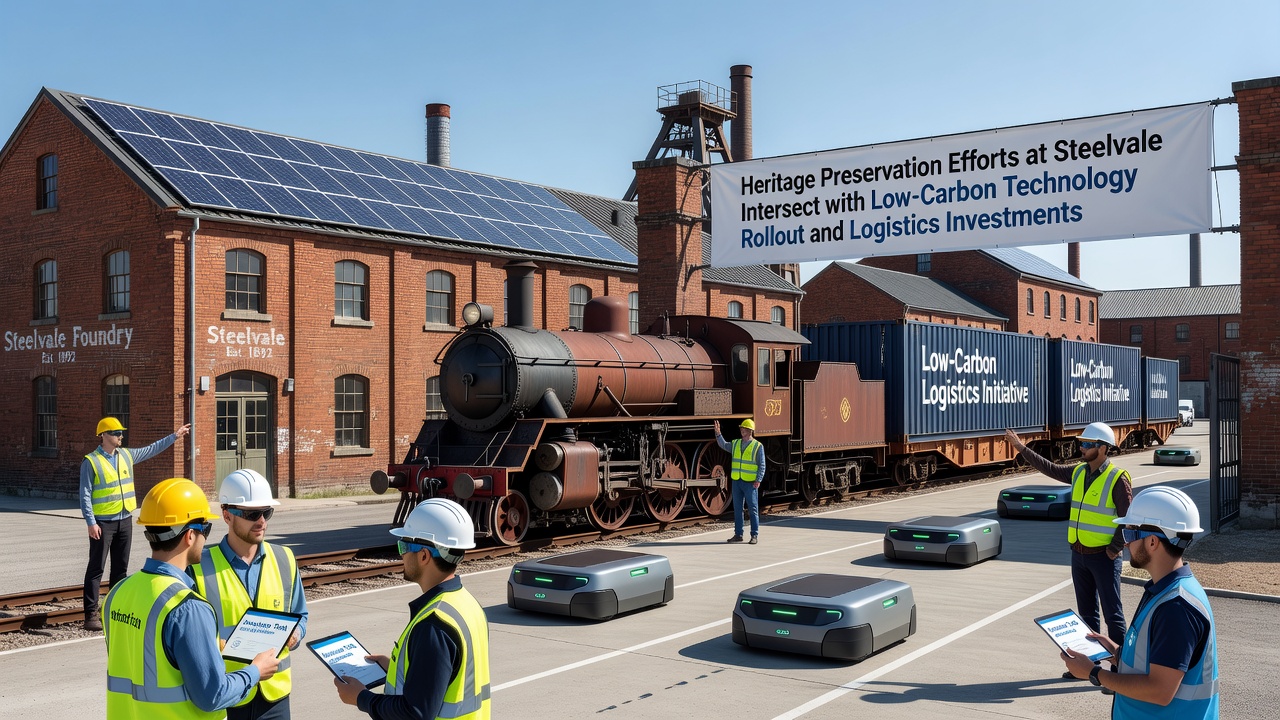
Heritage preservation efforts at Steelvale have begun to intersect directly with low-carbon technology rollouts and logistics investments, creating coordinated projects that address both historical assets and contemporary infrastructure needs. Site managers have coordinated with regulatory bodies to ensure that protected buildings and machinery from earlier industrial eras receive maintenance while new electric arc furnaces and hydrogen-ready systems come online. Data from the European Commission indicates that steel facilities across member states have allocated portions of modernization budgets toward heritage compliance since 2023, and similar patterns appear at Steelvale where planners integrate preservation requirements into project timelines.
Integration of Historical Structures with Emerging Technologies
Engineers at Steelvale have adapted several nineteenth-century furnace halls for use as control centers for low-carbon processes, installing insulation adn monitoring systems that meet both conservation standards and energy efficiency targets. Researchers from the International Energy Agency have documented how such adaptations reduce overall project costs by reusing existing foundations rather than constructing entirely new facilities. Logistics investments include new rail sidings and warehouse expansions that route around protected zones, preserving sightlines and structural integrity while improving material flow. In October 2026, project teams plan to complete the first phase of a conveyor system that connects the heritage-designated rolling mill area directly to updated port facilities, cutting truck traffic by an estimated 18 percent according to preliminary modeling.
Logistics Enhancements Supporting Broader Site Goals
Supply chain upgrades at Steelvale incorporate digital tracking and automated handling equipment that operate within the constraints of heritage buffers. Observers note that these systems allow operators to maintain throughput targets without expanding the physical footprint into protected areas. A report from the Canadian Institute for Transportation Research highlights comparable approaches at North American sites where logistics automation has aligned with industrial heritage mandates, resulting in measurable reductions in ground disturbance. At Steelvale, funding for these logistics elements comes partly from national decarbonization grants that require simultaneous heritage impact assessments, ensuring that each infrastructure decision undergoes review by both engineering and conservation specialists.
Regulatory Framework and Project Milestones
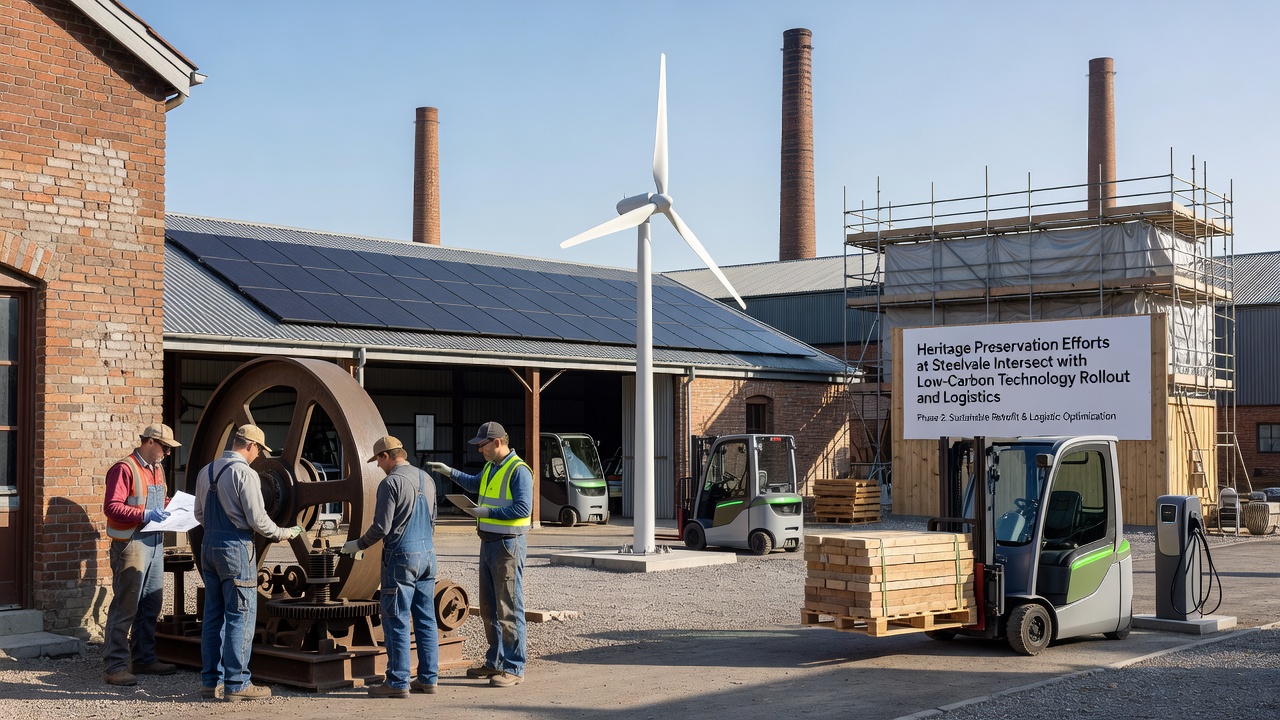
Local planning authorities have issued updated guidance that ties heritage listing protections to emissions reduction commitments, requiring detailed documentation of any modifications to listed structures. Steelvale teams have responded by commissioning laser scanning surveys of key buildings before installing low-carbon retrofits, creating digital records that support both preservation and future maintenance. Figures released by the UK Department for Energy Security and Net Zero show that facilities pursuing combined heritage and decarbonization projects have accessed accelerated permitting pathways, shortening approval cycles by several months. These streamlined processes have allowed Steelvale to advance logistics terminal expansions scheduled for phased rollout through 2027 while maintaining compliance with listed building consent conditions.
Training and Documentation Initiatives
Workforce development programs at the site now include modules on heritage-sensitive construction techniques alongside training for hydrogen handling and electric furnace operations. Contractors receive briefings on protected zones before commencing logistics infrastructure work, and progress reports track both carbon metrics and conservation outcomes. University-led studies from institutions in Australia have examined similar dual-focus projects and found that integrated approaches can yield higher long-term asset values when historical elements remain functional parts of operations. Steelvale management has adopted comparable documentation protocols, logging every intervention on heritage assets within a centralized database accessible to regulators and future project teams.
Conclusion
Steelvale continues to demonstrate how heritage preservation, low-carbon technology adoption, and logistics investments can proceed as interconnected workstreams rather than competing priorities. Project records show consistent alignment between conservation requirements and infrastructure upgrades through structured planning and cross-disciplinary coordination. As milestones approach in late 2026, the site provides a working example of how industrial locations balance legacy assets with evolving operational demands.