Gisela Krause · 20 September 2026
Industrial Heritage Protections Inspire Training Programs and Emission-Reducing Furnace Modernizations as Trade Patterns Evolve
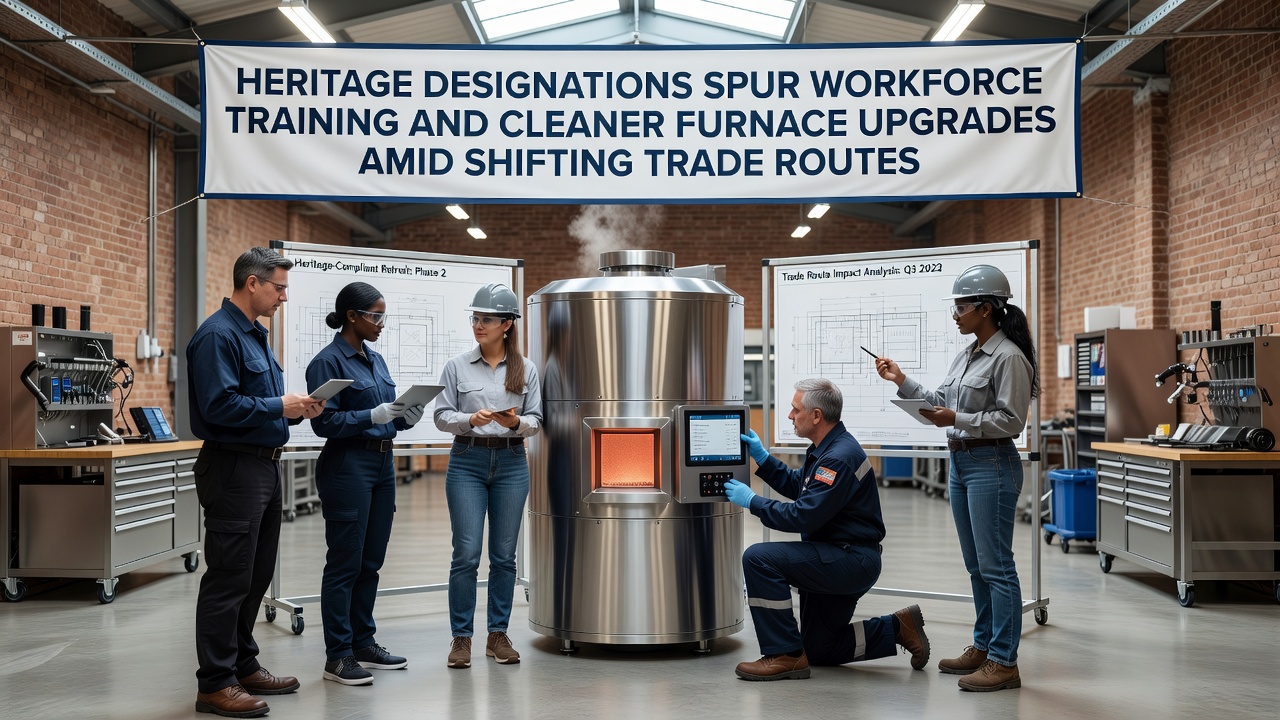
Heritage designations have started reshaping industrial operations across several regions, where protected sites now require specialized workforce training alongside upgrades to cleaner furnace technologies, and these changes coincide with shifting international trade routes that alter supply chains and material flows. Data from regulatory bodies shows that such designations often mandate preservation standards which encourage companies to invest in employee skill development programs focused on historical building techniques combined with modern environmental compliance methods.
Research indicates that in areas with newly protected industrial landmarks, training initiatives have expanded to cover both traditional craftsmanship and contemporary emission control systems, allowing facilities to maintain operational viability while meeting heritage guidelines. Observers note that these programs frequently partner with local educational institutions to deliver certifications that address both cultural conservation and technical furnace efficiency improvements.
Workforce Training Expands Under Heritage Rules
Figures reveal that heritage status prompts companies to allocate resources toward comprehensive training modules, where workers learn to integrate preservation practices with upgrades that reduce furnace emissions through advanced filtration and energy recovery systems. According to reports from the European Environment Agency, facilities in designated zones have seen training participation rates increase as operators adapt to rules that link historical integrity with sustainable industrial practices.
Those who've studied similar transitions know that such programs often include hands-on sessions on retrofitting older furnace infrastructure, and this approach helps maintain production continuity even as trade routes shift toward new suppliers in Asia and North America. The result has been a measurable uptick in certified technicians capable of handling both heritage-compliant renovations and cleaner technology implementations.
Furnace Upgrades Align With Trade Route Adjustments
Shifting trade routes have introduced new pressures on material sourcing, prompting facilities under heritage protections to accelerate furnace upgrades that lower emissions while accommodating alternative raw material inputs from emerging markets. Evidence suggests that these modifications, such as the installation of electric arc systems or hydrogen-ready burners, frequently occur alongside training efforts that prepare staff for the operational nuances of updated equipment in historically sensitive environments.
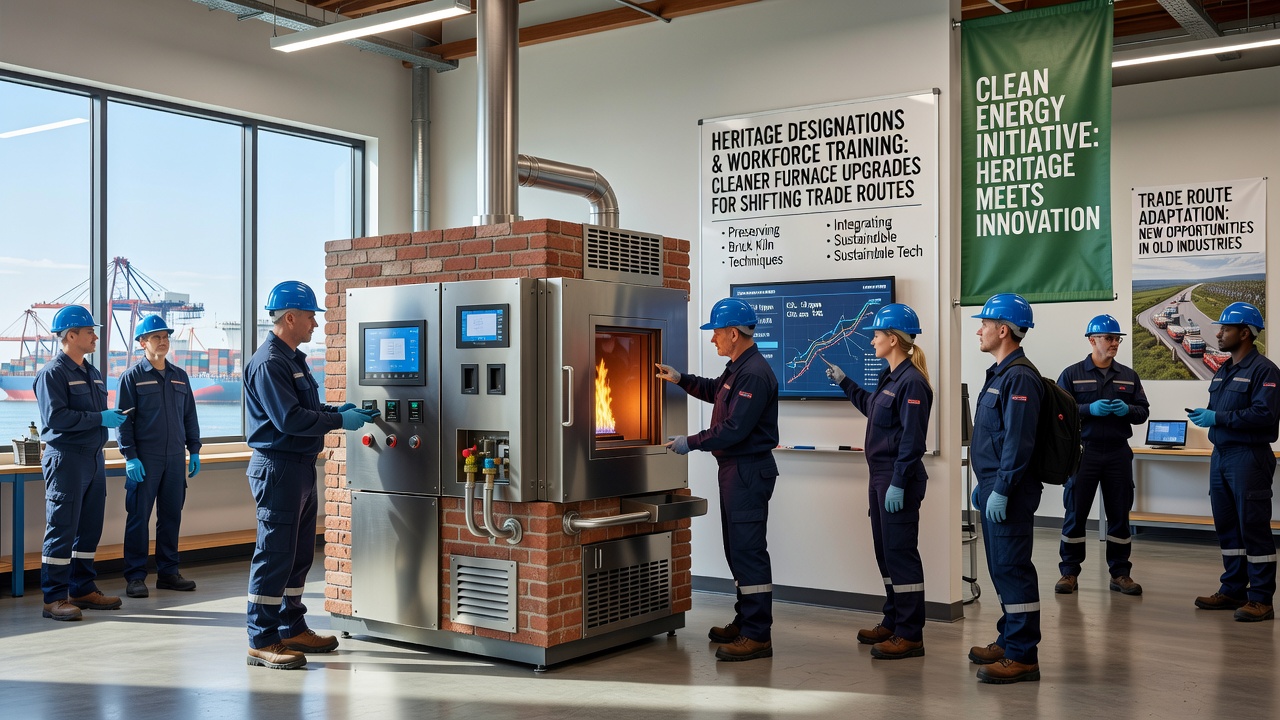
In September 2026, updates from the U.S. Department of Commerce highlighted how rerouted shipping lanes influenced procurement strategies for industrial sites, and this dynamic has encouraged parallel investments in emission-reducing technologies at locations with heritage constraints. Companies have responded by developing training curricula that emphasize adaptability to variable supply conditions while preserving the architectural and historical elements of protected structures.
Case Examples From Multiple Regions
Take one facility in a European industrial corridor where heritage designation led to a partnership with a regional university for a training program that combined furnace modernization techniques with emission monitoring protocols, and the initiative coincided with adjustments to trade routes that favored recycled metal imports over traditional ores. Studies from academic sources such as those published through U.S. Department of Commerce analyses show parallel patterns in North American sites facing similar heritage and trade pressures.
Another example involves an Australian processing plant, where observers documented how heritage rules spurred upgrades to low-emission furnaces alongside workforce programs teaching both conservation methods and new operational standards, all while trade flows redirected toward Pacific Rim partners. Data from the European Commission environment portal indicates that these combined efforts have supported sustained output levels despite external market fluctuations.
Broader Patterns in Industrial Adaptation
What's interesting is how heritage designations create frameworks that tie workforce development directly to technological upgrades, and this linkage becomes especially relevant when trade routes change and force reevaluation of energy sources and material handling processes. Researchers have found that facilities adopting these strategies often report improved compliance rates with both preservation mandates and environmental standards, creating operational resilience amid global economic shifts.
People who've examined these developments note that training programs tend to evolve iteratively, incorporating feedback from furnace performance data and heritage inspection reports to refine skill sets over time. This iterative process supports ongoing modernization without compromising the protected status of the sites involved.
Conclusion
Overall, heritage designations continue to drive integrated approaches to workforce training and cleaner furnace upgrades, particularly as trade routes undergo transformation that affects industrial supply and demand dynamics. Reports from multiple regulatory and research entities confirm that these adaptations maintain production capabilities while aligning with both cultural preservation and environmental objectives across affected regions.