Kai Peters · 18 October 2026
Union Contracts Steer Steelvale Toward Low-Carbon Smelting Goals Under Trade and Rule Shifts
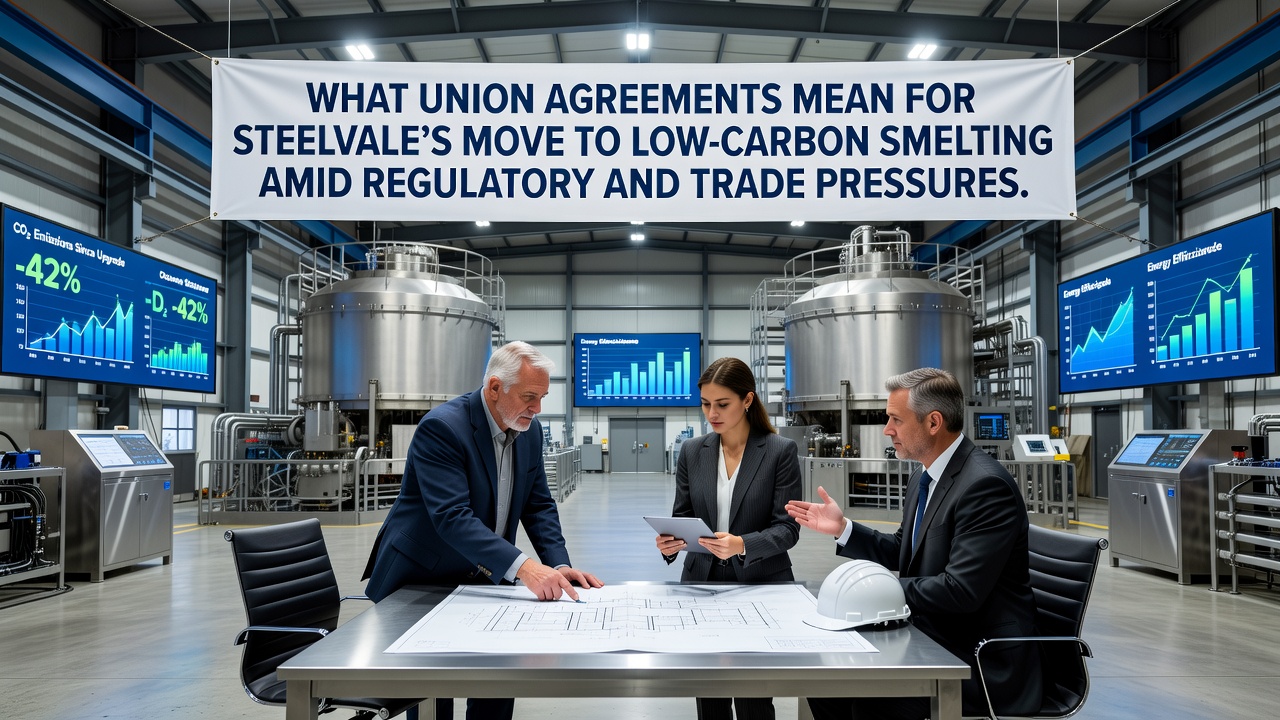
Union agreements at Steelvale now outline specific workforce protections and retraining pathways that support the shift to low-carbon smelting methods, while regulators tighten emission caps and trade barriers adjust carbon border fees. These contracts, finalized in recent months, tie wage structures to technology upgrades scheduled through 2027, and they require joint oversight committees to monitor progress on hydrogen-based reduction processes. Data from industry reports shows that similar pacts in other regions have reduced downtime during furnace conversions by coordinating shift patterns with installation timelines.
Contract Terms Align With Emission Standards
Recent labor deals specify that operators receive priority for new roles in electric arc furnace maintenance, and they include clauses that protect seniority during any workforce realignment tied to smelting modernization. Figures from the UK Department for Business and Trade indicate emission reporting deadlines fall due in October 2026, which coincides with phased rollout dates embedded in the union frameworks. Observers note these timelines allow crews to complete certification programs before stricter limits take effect, and the agreements allocate funding pools drawn from company revenues to cover associated training costs.
Trade pressures add another layer, since proposed adjustments to import tariffs on high-carbon steel from certain markets could favor domestic producers who meet lower emission benchmarks. Union language addresses this by linking bonus structures to verified reductions in direct emissions per tonne produced. Those who have reviewed the documents point out that such performance metrics build directly on existing safety protocols rather than creating separate tracking systems.
Workforce Adjustments and Technology Integration
Steelvale management and union representatives established a joint steering group last quarter to evaluate how low-carbon smelting equipment alters daily operations, and this group reviews data on energy consumption alongside production targets. The contracts require advance notice for any equipment installations that might change job classifications, and they mandate that displaced tasks transition into roles focused on monitoring automated controls or handling byproduct materials. Research from academic sources on European steel sites shows that early involvement of labor groups in these decisions correlates with smoother adoption rates for hydrogen injection systems.
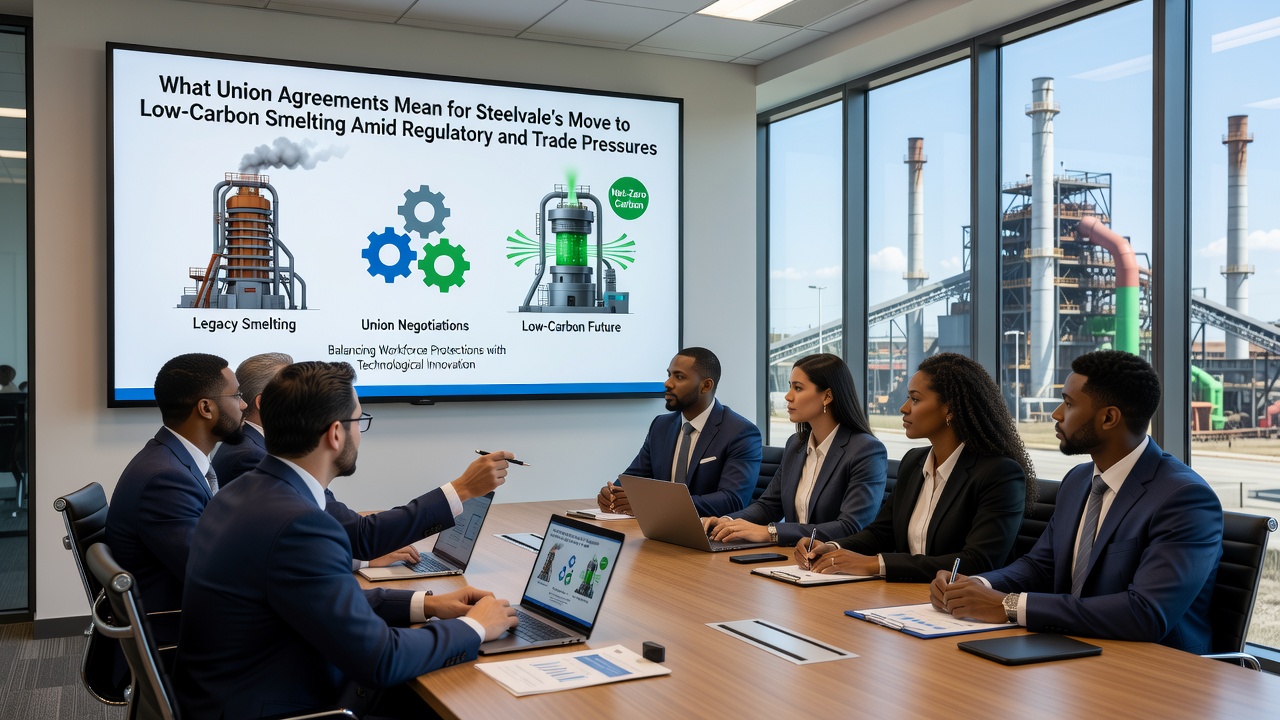
One documented case from comparable facilities reveals that integrated training reduced the time needed to bring new smelting lines to full capacity by several weeks. The Steelvale agreements incorporate similar provisions, including partnerships with local technical colleges for specialized modules on carbon capture integration. Trade data from the Australian Department of Industry reveals that export markets increasingly request documentation of union-endorsed sustainability practices, which creates an additional incentive for these coordinated approaches.
Regulatory Deadlines and International Trade Context
October 2026 marks the point when updated UK emission trading rules require full reporting on scope-one reductions at major smelting operations, and union contracts schedule preparatory audits for the preceding quarter to avoid compliance gaps. These pacts also address potential staff shortages by creating cross-training requirements across shifts, ensuring coverage during peak upgrade periods. External trade agreements, including those negotiated through the European Commission on carbon border adjustment mechanisms, influence the economic case for domestic low-carbon investments, and the labor terms reflect this by incorporating flexibility for production volume changes.
Industry organizations such as the World Steel Association track how collective bargaining outcomes affect technology deployment across multiple countries, and their datasets show measurable differences in project timelines when unions participate early. At Steelvale the current framework extends prior agreements by adding explicit references to low-carbon milestones, which helps synchronize internal goals with external regulatory calendars.
Conclusion
Union agreements at Steelvale connect workforce stability measures directly to the technical and compliance requirements of low-carbon smelting transitions. They establish mechanisms for ongoing dialogue between labor and management that address both regulatory deadlines and shifting trade conditions. Observers continue to monitor how these structures perform as the October 2026 reporting cycle approaches and as further adjustments to international carbon pricing take shape.